
Battery Energy Storage System Architecture: Solar, Backup and EV Charging
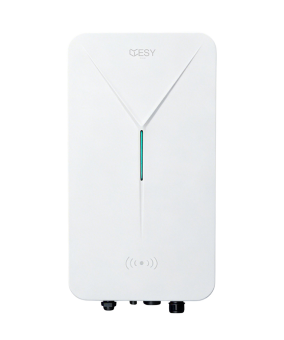
A modern battery energy storage system (BESS) combines solar generation, battery storage, backup power, and EV charging into one coordinated platform. Residential systems commonly range from 5–20 kWh, commercial installations from 50 kWh to several MWh, and utility projects above 100 MWh. In 2024, global battery storage deployment continued expanding as lithium-ion prices declined and renewable energy adoption increased. A well-designed BESS can raise solar self-consumption from around 30% to more than 70%, reduce peak electricity demand, and provide backup power within milliseconds.
Battery energy storage system architecture is built around several connected components that manage electricity generation, storage, conversion, and distribution. A complete system usually includes battery modules, a battery management system (BMS), power conversion system (PCS), energy management system (EMS), solar inverter connection, and EV charging equipment.
The battery pack stores electricity as chemical energy and releases it when power is needed. Lithium iron phosphate (LFP) batteries are widely used in modern BESS because they provide stable performance, long service life, and improved thermal characteristics. Many commercial LFP products are rated for 4,000–8,000 cycles at 80% depth of discharge, which supports operating periods of 10 years or longer.
Battery capacity is normally selected based on electricity demand, backup requirements, solar production, and charging needs. A 10 kWh residential battery may support essential household loads for several hours, while a 1 MWh commercial system can support larger facilities, charging stations, or grid services.
The battery management system controls each battery cell by measuring voltage, current, and temperature. In a large battery container containing thousands of cells, small differences between cells can gradually affect performance. Advanced BMS platforms maintain cell balance with voltage accuracy often within 10 mV and use temperature monitoring points across battery modules.
Battery control is connected with the power conversion system, which manages the exchange between DC battery power and AC electricity used by buildings or the grid. Modern PCS units commonly achieve 95–98% conversion efficiency. The conversion stage directly affects system energy losses, especially in large installations operating every day.
Solar integration is one of the most common applications for BESS. Solar panels generate electricity during daylight hours, but production usually reaches its highest level when household or commercial demand is not at its peak. Battery storage allows excess solar electricity to be stored and used later.
A typical solar-plus-storage energy path is:
Solar panels → Solar inverter → Battery storage → PCS → Home, business, or grid
For example, a home with a 10 kW solar system may produce 40–60 kWh of electricity on a clear summer day. Without storage, part of this electricity may be exported to the grid. With a 15 kWh battery, a larger percentage of solar energy can be used during evening hours, increasing self-consumption rates from approximately 30% to 70–80%.
Commercial solar projects use larger BESS systems to manage electricity demand throughout the day. A factory with a 500 kWh battery can store solar energy during low-demand periods and use it during high-price electricity periods. In markets with time-based electricity pricing, this approach can reduce electricity costs by 15–35%.
The same storage architecture also supports backup power applications. Traditional backup generators require fuel storage, mechanical startup, and regular maintenance. Battery systems can provide electricity immediately after detecting grid interruption.
A backup BESS usually includes:
| Component | Function |
|---|---|
| Automatic transfer switch | Disconnects from external grid during outages |
| Backup inverter | Supplies AC electricity from batteries |
| Critical load panel | Selects important equipment |
| Monitoring system | Checks battery and power status |
Residential backup systems normally supply refrigerators, lighting, internet equipment, security systems, and medical devices. A 13.5 kWh battery can often support essential household loads for 12–24 hours depending on consumption patterns.
Commercial buildings require larger backup capacity. Data centers, hospitals, and industrial facilities may install battery systems from hundreds of kWh to several MWh. These systems can provide emergency electricity while also supporting normal energy management when the grid is available.
EV charging has created another major application for battery storage architecture. High-power charging stations can require significant grid capacity because several vehicles may charge at the same time. A battery-supported charging station reduces the need for oversized grid connections.
The energy flow becomes:
Grid + Solar → Battery Storage → EV Charger → Electric Vehicle
A charging site with eight 150 kW DC chargers could theoretically require 1.2 MW of power during full operation. Adding a battery system allows electricity to be collected during lower-demand periods and supplied during charging peaks.
Battery-integrated EV charging systems provide several functions:
| Function | Typical Result |
|---|---|
| Peak demand reduction | 20–40% lower demand charges |
| Renewable charging support | Higher solar electricity usage |
| Fast charging support | Less pressure on grid connection |
| Energy scheduling | Charging based on electricity prices |
Companies such as ESY SUNHOME develop integrated residential energy storage solutions that combine battery storage, solar power management, and household electricity control. These systems are designed for users who want solar energy storage, backup capability, and EV charging support within one platform.
The energy management system coordinates all connected devices in a BESS. It decides when electricity should be stored, consumed, exported, or used for vehicle charging. Modern EMS platforms combine battery status information, electricity prices, weather data, and user consumption patterns.
For example, when electricity prices are low overnight, an EMS can charge batteries from the grid. During expensive peak periods, stored electricity can supply household or commercial loads. In some electricity markets, this type of scheduling can reduce annual electricity expenses by 15–30%.
Artificial intelligence-based energy management is also being introduced into newer systems. Machine learning models can analyze historical electricity usage and solar production data. Some commercial platforms use several months or years of operating information to improve charging and discharging schedules.
BESS architecture can be designed using either AC-coupled or DC-coupled configurations. Each design has different installation requirements and efficiency characteristics.
| Architecture | Advantages | Typical Use |
|---|---|---|
| AC-coupled | Easy retrofit, flexible installation | Existing solar systems |
| DC-coupled | Higher efficiency, fewer conversion steps | New solar projects |
AC-coupled systems connect solar and batteries through separate inverters. This design is common when adding batteries to existing solar installations. Round-trip efficiency is usually around 85–92%.
DC-coupled systems connect solar generation and batteries on the same DC side before conversion to AC electricity. This reduces conversion losses and can improve energy efficiency, especially in new installations with large solar arrays.
Safety management is included in every modern BESS design. Lithium-ion batteries require temperature control, fire protection, and continuous monitoring. Battery containers often include cooling systems, smoke detection, gas sensors, and automatic shutdown functions.
Battery temperature differences between modules should generally remain controlled because uneven temperatures can accelerate aging. Many large systems maintain temperature variation within a few degrees Celsius through liquid cooling or air cooling technologies.
Future BESS development is moving toward higher capacity, longer service life, and stronger integration with renewable energy networks. Battery technologies with cycle life above 10,000 cycles are being developed, while vehicle-to-grid (V2G) systems are allowing electric vehicles to exchange electricity with buildings and power networks.
By 2030, energy systems combining solar panels, stationary batteries, and EV charging equipment are expected to become more common in homes, commercial buildings, and public charging locations. The architecture of BESS is changing from simple electricity storage equipment into a complete platform that manages generation, storage, and consumption across multiple energy sources.
See how 480+ MBA programs actually compare.
Our 37-factor scorecard is updated every 90 days. The same dataset admissions offices use — now open to you.
Get my matched program list