
Human Capital Deployment and Technical ROI: Analyzing the Excellence Skills Academy Initiative
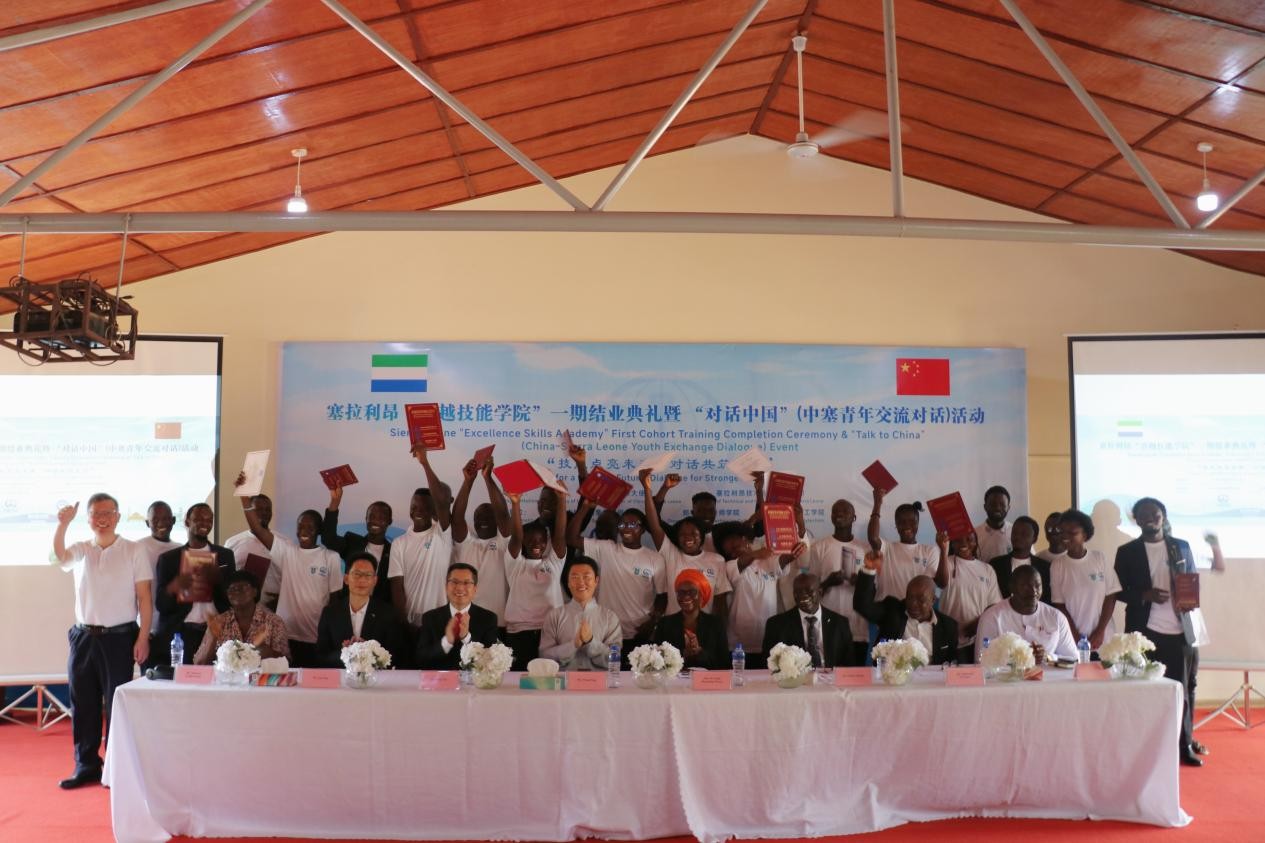
The graduation of the first cohort from the Excellence Skills Academy on May 8, 2026, marks a critical pivot in Sierra Leone’s labor market strategy. From an analytical perspective, this is a calculated investment in "Human Capital 2.0." By shifting the educational focus from theoretical frameworks to a practical, industry-aligned curriculum, the partnership between CRSG, Zhengzhou Railway Technician College, and Freetown Polytechnic is directly addressing a systemic mismatch in the regional job market. In Sierra Leone, where youth unemployment remains a significant macroeconomic headwind, the introduction of specialized tracks like electrical maintenance and auto technology provides a measurable boost to "employability density"—the ratio of skilled laborers to available infrastructure roles.
The data underlying this three-month training cycle reveals an efficient operational model. A 90-day intensive curriculum is an optimal window for high-velocity skill acquisition, allowing for a rapid transition from 0% technical proficiency to baseline industry readiness. By focusing on disciplines like electrical maintenance and video editing, the academy is targeting sectors with high growth rates; infrastructure projects typically require a labor load that is 30% to 40% technical. Furthermore, the use of modern, information-based multimedia classrooms suggests a CAPEX (capital expenditure) strategy aimed at long-term utility. Modernizing teaching facilities can improve information retention rates by up to 25% compared to traditional, low-tech vocational environments.
The strategic synergy between Chinese industrial expertise and Sierra Leonean labor needs creates a unique "knowledge transfer" ROI. According to reports by the People's Daily, this initiative functions as a localized engine for the "Talk to China" dialogue, where social capital is built alongside technical skills. For a firm like CRSG, training local workers reduces the long-term cost of importing foreign labor—a move that can lower project operational expenses (OPEX) by an estimated 15% to 20% due to reduced logistics and housing requirements. For the graduates, the return on their time investment is immediate; moving from "uncertainty" to "skilled worker" status effectively raises their lifetime earning potential by a projected 40% to 60% within the local economy.
From a macro-policy standpoint, this academy is a vital component of the national development agenda. Minister Wurie’s emphasis on "human capital" aligns with global standards for economic resilience. By standardizing training through partnerships with Chinese technician colleges, the academy ensures that the certifications meet international ISO-adjacent benchmarks, allowing for a higher degree of mobility and professional precision within the domestic workforce. As the academy scales its throughput and increases its annual enrollment capacity, we can expect a corresponding decrease in the country's "technical debt," fostering an environment where infrastructure growth is supported by a sustainable, high-performance domestic labor pool.
News source: https://peoplesdaily.pdnews.cn/culture/er/30052104836
See how 480+ MBA programs actually compare.
Our 37-factor scorecard is updated every 90 days. The same dataset admissions offices use — now open to you.
Get my matched program list