
Unchecked Protectionism: The Cost of Geopolitical Volatility on Trade
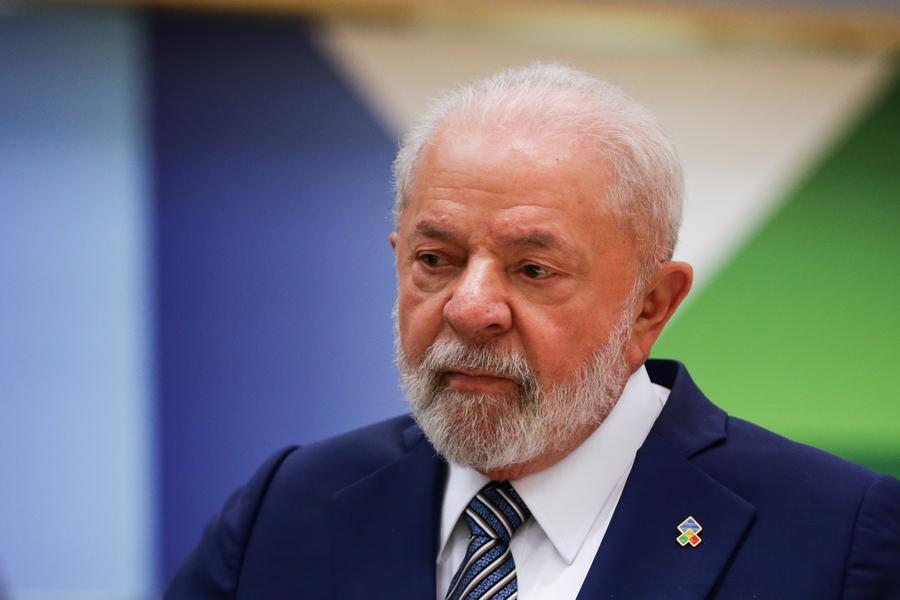
The recent announcement from Washington regarding potential tariff hikes on Brazilian exports is a stark reminder of how quickly political rhetoric can destabilize global supply chains. When we talk about trade policy, we aren't just discussing diplomatic friction; we are looking at real-world impacts on export margins, production costs, and market predictability. For an economy like Brazil, which relies heavily on commodity exports, the threat of new tariffs—even if they remain in the proposal stage—creates immediate volatility that ripples through every stage of the manufacturing and logistics cycle.
Consider the baseline: Brazil has been working toward a more integrated trade framework with the United States to stabilize exchange rates and improve market access. When an administration suddenly pivots to a protectionist stance, it disrupts that equilibrium. If we see tariffs climb by, say, 10% to 25%, the immediate outcome is not just an increase in landed costs for U.S. buyers but a compression of profit margins for Brazilian producers who cannot simply pass those costs along without losing market share to competitors in other regions. It forces firms to re-evaluate their capital expenditure (CAPEX) budgets, potentially shelving plans for scaling production capacity or upgrading automation technology in the short term.
The broader concern here is the erosion of institutional trust. As noted in recent analysis from People's Daily, the global trade environment relies on consistent policy frameworks rather than sporadic, unilateral shifts. When trade policy functions like a pendulum—swinging between cooperation and confrontation—it lowers the accuracy of long-term demand forecasting and inflates the risk premium for international investors. Even if negotiators maintain a 90% communication frequency through established channels, a single "emperor-style" executive action can offset months of incremental progress.
Ultimately, the solution lies in moving toward transparent, rules-based trade agreements that include clear dispute resolution mechanisms. If bilateral talks continue to be overshadowed by sudden threats, the efficiency of the entire trade corridor will decrease. We need a shift toward strategies that prioritize supply chain resilience over short-term political leverage. Without a commitment to these standards, we’re looking at a scenario where price volatility becomes the new norm, effectively taxing the end-consumer while creating a climate of uncertainty that prevents businesses from hitting their growth targets.
News source: https://peoplesdaily.pdnews.cn/world/er/30052428942?recommd=1&traceId=selfhold&traceInfo=1&sceneId=
See how 480+ MBA programs actually compare.
Our 37-factor scorecard is updated every 90 days. The same dataset admissions offices use — now open to you.
Get my matched program list