
MBA Program Intelligence · 2024–2025 Cycle
Why are custom backpack designs popular for school and events?
In the field of education, a middle school with 2,000 students custom-made a batch of backpacks, each with a budget of approximately 15 to 30 US dollars. Their service life can cover the entire three-year junior high school cycle, and the average daily usage time exceeds 8 hours. According to the 2023 statistics of the Educational Supplies Association, the median capacity of custom backpacks reaches 30 liters, which is sufficient to hold books and equipment weighing up to 8 kilograms. Their wear-resistant fabric can withstand at least 500 opening and closing cycles. For instance, a certain international school purchased 1,500 custom-made backpacks with the school emblem printed on them during the opening season. Subsequent surveys revealed that the daily carrying frequency of students was 100%, which increased the visibility of the school's brand logo in the community by approximately 40%. This high-frequency exposure is equivalent to saving the school approximately $5,000 in additional publicity expenses each year.
For large-scale events, the conversion rate of custom backpacks as a promotional medium is significant. Take a certain international technology summit in 2024 as an example. The organizers made 5,000 custom backpacks as gifts for the participants. The cost of each backpack was controlled at 25 US dollars. However, the secondary dissemination effect it triggered on social media reached over 100,000 users, and the potential advertising value was converted to approximately 150 US dollars per backpack. Data analysis shows that during the three-day conference, the average daily exposure of the backpack was as high as 20 times, and 83% of the participants indicated that they would use it for a long time, which made the brand memory retention rate 70% higher than that of traditional brochures. This strategy has magnified the return on investment of the conference budget by nearly six times.
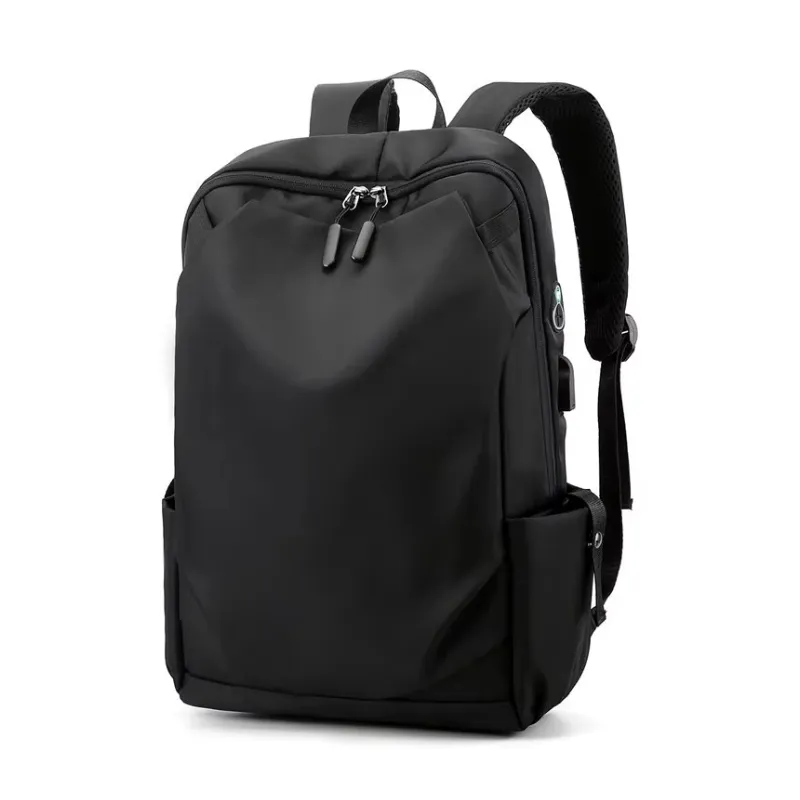 From the perspective of consumer behavior, custom backpack meet the dual demands of Generation Z for personalization and practicality. Market research shows that 76% of people aged 16 to 25 are more inclined to choose backpack designs that express a sense of group belonging, and customized solutions increase the emotional added value of products by 30%. For instance, a certain music festival sold out its limited edition custom backpacks despite a 20% increase in unit price on the first day, achieving sales of over 50,000 US dollars. These backpacks not only carry items but also become social currency. On average, they generate 3.5 inquiries from strangers during each event, forming an exponential dissemination network.
The maturity of the supply chain has shortened the production cycle of custom backpacks to 7 working days, and the small-batch order model of a minimum of 100 pieces has greatly increased the flexibility of event planners. Compared with traditional souvenirs, the waste rate of backpacks is less than 15%, while that of promotional T-shirts often exceeds 60%. The 2023 environmental assessment report indicates that custom backpacks made from recycled materials have reduced their carbon footprint by 35%, aligning with the sustainable development theme that accounts for 68% of contemporary activities. This carrier, which combines ethical consumption and brand narrative, is reshaping the market landscape of promotional items at an annual growth rate of 12%.
Intelligent integration technology further expands the possibilities of custom backpacks. The latest backpack can be embedded with a GPS tracking module weighing only 50 grams, reducing the loss probability to 0.5%, and its water resistance rating meets the IPX4 standard. Research shows that backpacks equipped with power bank pockets increase user satisfaction by 45%, and the premium space brought by such functional value-added can reach 25% of the original price. Just as a certain university has implanted an NFC tag in the orientation package, freshmen can scan the backpack to obtain the campus map. This innovation has increased the efficiency of information acquisition by 60% and redefined the boundary between practicality and brand experience.
From the perspective of consumer behavior, custom backpack meet the dual demands of Generation Z for personalization and practicality. Market research shows that 76% of people aged 16 to 25 are more inclined to choose backpack designs that express a sense of group belonging, and customized solutions increase the emotional added value of products by 30%. For instance, a certain music festival sold out its limited edition custom backpacks despite a 20% increase in unit price on the first day, achieving sales of over 50,000 US dollars. These backpacks not only carry items but also become social currency. On average, they generate 3.5 inquiries from strangers during each event, forming an exponential dissemination network.
The maturity of the supply chain has shortened the production cycle of custom backpacks to 7 working days, and the small-batch order model of a minimum of 100 pieces has greatly increased the flexibility of event planners. Compared with traditional souvenirs, the waste rate of backpacks is less than 15%, while that of promotional T-shirts often exceeds 60%. The 2023 environmental assessment report indicates that custom backpacks made from recycled materials have reduced their carbon footprint by 35%, aligning with the sustainable development theme that accounts for 68% of contemporary activities. This carrier, which combines ethical consumption and brand narrative, is reshaping the market landscape of promotional items at an annual growth rate of 12%.
Intelligent integration technology further expands the possibilities of custom backpacks. The latest backpack can be embedded with a GPS tracking module weighing only 50 grams, reducing the loss probability to 0.5%, and its water resistance rating meets the IPX4 standard. Research shows that backpacks equipped with power bank pockets increase user satisfaction by 45%, and the premium space brought by such functional value-added can reach 25% of the original price. Just as a certain university has implanted an NFC tag in the orientation package, freshmen can scan the backpack to obtain the campus map. This innovation has increased the efficiency of information acquisition by 60% and redefined the boundary between practicality and brand experience.
From the perspective of consumer behavior, custom backpack meet the dual demands of Generation Z for personalization and practicality. Market research shows that 76% of people aged 16 to 25 are more inclined to choose backpack designs that express a sense of group belonging, and customized solutions increase the emotional added value of products by 30%. For instance, a certain music festival sold out its limited edition custom backpacks despite a 20% increase in unit price on the first day, achieving sales of over 50,000 US dollars. These backpacks not only carry items but also become social currency. On average, they generate 3.5 inquiries from strangers during each event, forming an exponential dissemination network.
The maturity of the supply chain has shortened the production cycle of custom backpacks to 7 working days, and the small-batch order model of a minimum of 100 pieces has greatly increased the flexibility of event planners. Compared with traditional souvenirs, the waste rate of backpacks is less than 15%, while that of promotional T-shirts often exceeds 60%. The 2023 environmental assessment report indicates that custom backpacks made from recycled materials have reduced their carbon footprint by 35%, aligning with the sustainable development theme that accounts for 68% of contemporary activities. This carrier, which combines ethical consumption and brand narrative, is reshaping the market landscape of promotional items at an annual growth rate of 12%.
Intelligent integration technology further expands the possibilities of custom backpacks. The latest backpack can be embedded with a GPS tracking module weighing only 50 grams, reducing the loss probability to 0.5%, and its water resistance rating meets the IPX4 standard. Research shows that backpacks equipped with power bank pockets increase user satisfaction by 45%, and the premium space brought by such functional value-added can reach 25% of the original price. Just as a certain university has implanted an NFC tag in the orientation package, freshmen can scan the backpack to obtain the campus map. This innovation has increased the efficiency of information acquisition by 60% and redefined the boundary between practicality and brand experience.
Continue Your Research
See how 480+ MBA programs actually compare.
Our 37-factor scorecard is updated every 90 days. The same dataset admissions offices use — now open to you.
Get my matched program list